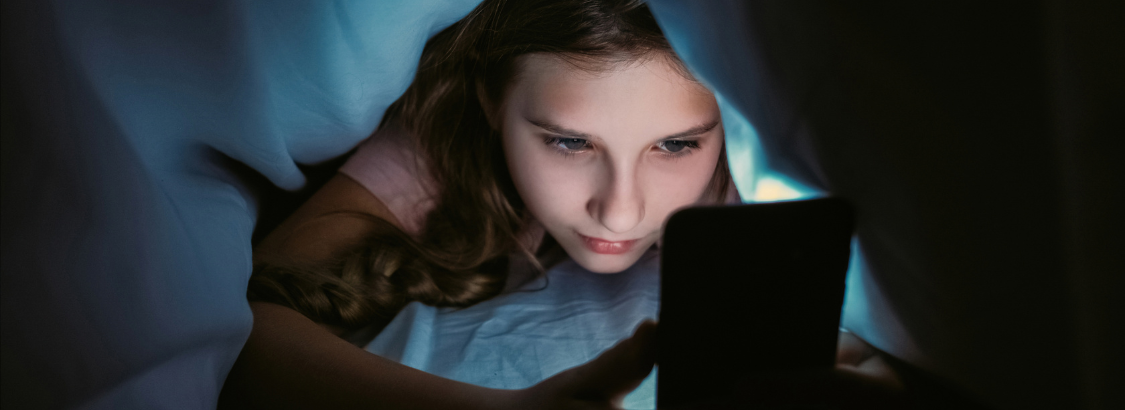
Depression. Addiction. Dysfunctional relationships. The state of Wisconsin has a vested interest in protecting children from content that leads to these conditions.
In his 2025 State of the State address, Governor Tony Evers announced 2025 as the “Year of the Kid.” Throughout his speech, Evers highlighted various methods to insert more government into the lives of children intending to help them thrive; however, he failed to address a dangerous phenomenon affecting younger and younger children in our state: pornography addiction.
Children and Pornography
Pornography addiction is a raging epidemic, infecting more children than ever before. The government should be working relentlessly to prevent minors from being exposed to explicit (often violent) material which can harm their mental health, distort their understanding of relationships, and increase their risk of developing damaging, addictive behaviors.
While parents once had a reasonable measure of hope in protecting their children from explicit content, the growth of the internet makes regulation far more challenging. Fight the New Drug, an organization that works to raise awareness of the harmful effects of pornography, explains, “For previous generations, the story was almost always the same—a young boy or girl finds an adult magazine found on the side of the road, taken from the garbage, or swiped from an older sibling’s ‘secret’ hiding place. But today, an endless amount of porn is available anywhere there’s an internet connection.”[1] At an increasingly young age, children carry the internet in their pockets. A study conducted by Common Sense Media reports that 42 percent of kids have a phone by age 10. The number jumps to 91 percent by age 14.[2]
Every child with internet access has the potential to view porn, intentionally or unintentionally. And, sadly, teens are viewing porn. An extensive study[3] also conducted by Common Sense Media reveals alarming information: the majority of kids are exposed to pornography by age 13. Of those polled, 71% said they had viewed pornography in the last week.
Perhaps most unsettling of all, only 43% of teens reported that they have had conversations about pornography with a trusted adult. Tragically, today’s teens often receive zero help navigating the pornography they are exposed to on an often weekly basis.
The Effects of Pornography on Children
While many Christians raise moral objections to pornography exposure at young ages (and rightly so), parents, legislators, social scientists, and activists are beginning to the grasp the societal implications of a generation of teens hooked on porn.
A study[4] conducted by the Institute for Family Studies uncovered four main impacts viewing pornography can have on kids now and for the rest of their lives:
- Pornography has been linked to unhealthy sexual behaviors among adolescents. Studies consistently demonstrate that adolescent use of pornography encourages a permissive attitude toward sex linked to early and risky sexual behavior.
- Pornography has been linked to acts of sexual aggression in adolescents. Pornography consistently depicts violent and aggressive sexual acts which can lead to acts of aggression. The study states, “Almost every measure of sexual aggression and violence, from acceptance to perpetuation to victimization, has been documented to be associated with pornography use among children and adolescents.”
- Pornography has been linked to mental health struggles among adolescents. Pornography frequently turns into a lifelong addiction and can contribute to struggles with self-esteem and body image. Another study conducted by the Institute for Family Studies found that “watching pornography at least once a day doubles the risk of being depressed.”[5]
- Pornography has been linked to relationship instability and puts adolescents at risk of disrupted family formation in later adulthood. Numerous studies demonstrate that pornography use lowers satisfaction in relationships and increases the likelihood of break-up and divorce. The study reports, “Pornography use during childhood and adolescence undermines the formation of healthy relationships and the development of healthy relationship skills.”
The impacts of pornography use as a minor are far-reaching, affecting the rest of the adolescent’s life as well as the health of society. As an increasing number of state and community leaders learn about pornography’s far-reaching effects, legislation prohibiting minors from viewing pornography has gained support from both sides of the aisle.
Age-Verification Laws
Age-Verification Laws require sites with adult content to verify users’ ages by requiring users to upload a state-ID or by scanning their face with AI-powered software. The 19 states that have passed these laws have seen massive drops in traffic on porn sites. In Louisiana, the first state to pass an age-verification law, traffic on a major porn provider website has dropped by 80 percent.[6] In other states with age-verification laws, porn providers have chosen to simply stop operating.
Michael Toscano, Executive Director of the Institute for Family Studies explains, “The requirement that pornography sites age verify their users is just common sense. Children do not have a First Amendment right to view pornography; secondly, porn companies do not have a First Amendment right to addict children to porn. We should remember this is not a requirement to age verify your grandaddy’s Playboy (which kids also have no right to). Investigations into [a major porn provider] have found it to be infested with rape videos, revenge porn, and other moral barbarities. The states have a rational interest in requiring that these sites—which make money off harvesting user data and providing targeted ad space—do not gain access to children.”[7]
Opponents of age-verification laws argue that these laws violate free speech, but these laws do not prohibit adults from accessing explicit content. Age-verification laws are designed to protect minors from detrimental content, just like bans on underage smoking, drinking, and gambling do. The darker reason behind the backlash is money. A major porn provider’s drop in users damages a lucrative business operation that receives more online visits than Netflix, Yahoo, or Amazon and brings in billions through advertisements.[8] Banning minors from accessing explicit content interrupts these sites’ system of addicting children to porn at a young age and turning them into lifelong users.
Rachel’s Story
As the porn epidemic rages among children, they face its destructive effects. Rachel Robinson’s story highlights the impact of porn on children.
After her first exposure to pornography at the age of 7, Rachel battled porn addiction for the next 13 years. In her preteens, Rachel was diagnosed with anxiety and depression, and she struggled with an eating disorder. “The mental health issues I was facing were rooted directly in my pornography addiction,” she shares. “Porn stole my innocence and polluted my mind, creating a dark reality that almost took my life.” At age 16, she was sexually assaulted. Tragically, the violent porn she had watched convinced her that she was an object, and two years passed before she realized that she was being abused. Thankfully, today Rachel is happily married and is “four years sober from porn.”[9]
No child should have to relive Rachel’s experience. Those who truly believe in protecting children support efforts to save them from the damaging effects of pornography such as unhealthy sexual behavior, acts of sexual aggression, mental health struggles, and relationship instability. One of the best ways to celebrate the “Year of the Kid” is to save children from the porn epidemic by passing age-verification laws.
“Porn preys on the minds of children and young people with no attempt to protect them, but rather to make a profit despite their innocence,” Rachel says. “And I stand here today on the right side of history, choosing to fight for age verification on porn sites for my younger self and the children of the upcoming generation.”[9]
Let’s stand with Rachel in protecting the innocence of children.
[1] https://fightthenewdrug.org/real-average-age-of-first-exposure/
[4] https://ifstudies.org/report-brief/unprotected-from-porn
[6] https://www.politico.com/news/magazine/2023/08/08/age-law-online-porn-00110148
[7] https://www.heritage.org/civil-society/commentary/age-verification-constitutional
[8] https://www.newsweek.com/online-age-verification-laws-are-bet-worth-making-opinion-1874764
[9] https://www.christianpost.com/news/how-porn-conditioned-abuse-self-harm-in-mind-of-teenage-girl.html
The work of Wisconsin Family Action is possible because of generous friends who partner with us financially and in prayer. If you value the work WFA does, we invite you to invest in this unique work that is all about you, your family, your faith, your freedom, and your future! As always, we welcome and covet your prayers.
